 Call us today


American cockroach identification starts with size. If you’re seeing large reddish brown roaches measuring 1 3/8 to 2+ inches in your Midwest basement, boiler room, or commercial kitchen, you’re likely dealing with Periplaneta americana—the largest house infesting cockroaches in North America. The American cockroach is one of the common species found in homes, along with German, brown-banded, and Oriental cockroaches. American cockroaches can grow up to 53 mm (2.1 inches), making them the largest cockroach species” data-term-hl-color=”green” data-term-hl-usage=”8″ data-term-hl-min-usage=”5″ data-term-hl-max-usage=”17″ data-term-hl-match=”cockroach species-538″ data-term-hl-animatable=”false”>cockroach species commonly found in homes.
Introduction to American Cockroaches
American cockroaches, scientifically known as Periplaneta americana, are among the most common cockroach species encountered in homes and businesses across the United States. Recognized for their impressive size, adult American cockroaches can reach up to 2 inches in length and display a glossy reddish brown color that makes them easy to spot. Both male and female American cockroaches have fully developed wings, allowing them to glide short distances, though they are far more likely to run than fly.
These pests are notorious for their ability to multiply quickly. A single female American cockroach can produce multiple egg cases, each containing up to 16 eggs, which can rapidly lead to a significant American cockroach infestation if not addressed. Their reproductive potential, combined with their adaptability, makes them a persistent challenge for property owners.
American cockroaches are drawn to environments that offer warmth, humidity, and easy access to food and water sources. They are commonly found in crawl spaces, basements, and areas near food storage, especially where pet food or decaying organic matter is present. In the southern United States, they primarily live outdoors in shady garden areas, wood piles, and leaf litter, but in the northern United States, they are more often found indoors, seeking out warm humid spaces like boiler rooms and laundry areas.
While American cockroaches are a major concern, other cockroach species such as German cockroaches, brown banded cockroaches, oriental cockroaches, and the Pennsylvania wood cockroach may also be present in similar environments. The Pennsylvania wood cockroach, for example, is primarily an outdoor species and less likely to infest homes, whereas American cockroaches can enter through small cracks and crevices, sometimes hitching a ride in grocery bags or as ship cockroaches.
Preventing an American cockroach infestation starts with good sanitation. Store food in sealed containers, clean up spills promptly, and reduce clutter in storage areas to eliminate hiding spots. Regular use of sticky traps, diatomaceous earth, or boric acid can help monitor and reduce cockroach populations, but these methods may not reach hidden colonies or egg cases. For persistent problems, professional pest control is often necessary to implement targeted treatments and ensure long-term protection.
Beyond being a nuisance, American cockroaches pose real health risks. They can carry harmful bacteria that cause food poisoning and contaminate food and other surfaces with their feces and body parts. Their presence can also trigger allergic reactions and asthma, especially in sensitive individuals. Additionally, American cockroaches can damage property by chewing through paper, fabric, and other materials, and their odorous secretions can stain surfaces and attract more cockroaches.
To effectively control American cockroach infestations, it’s crucial to combine thorough cleaning, sealing of entry points, and regular monitoring. Professional pest control services, like those offered by Miller Pest Solutions, provide the expertise and targeted treatments needed to eliminate infestations and prevent future problems, keeping your home or business safe from these persistent pests.
Quick Answer: How to Identify an American Cockroach
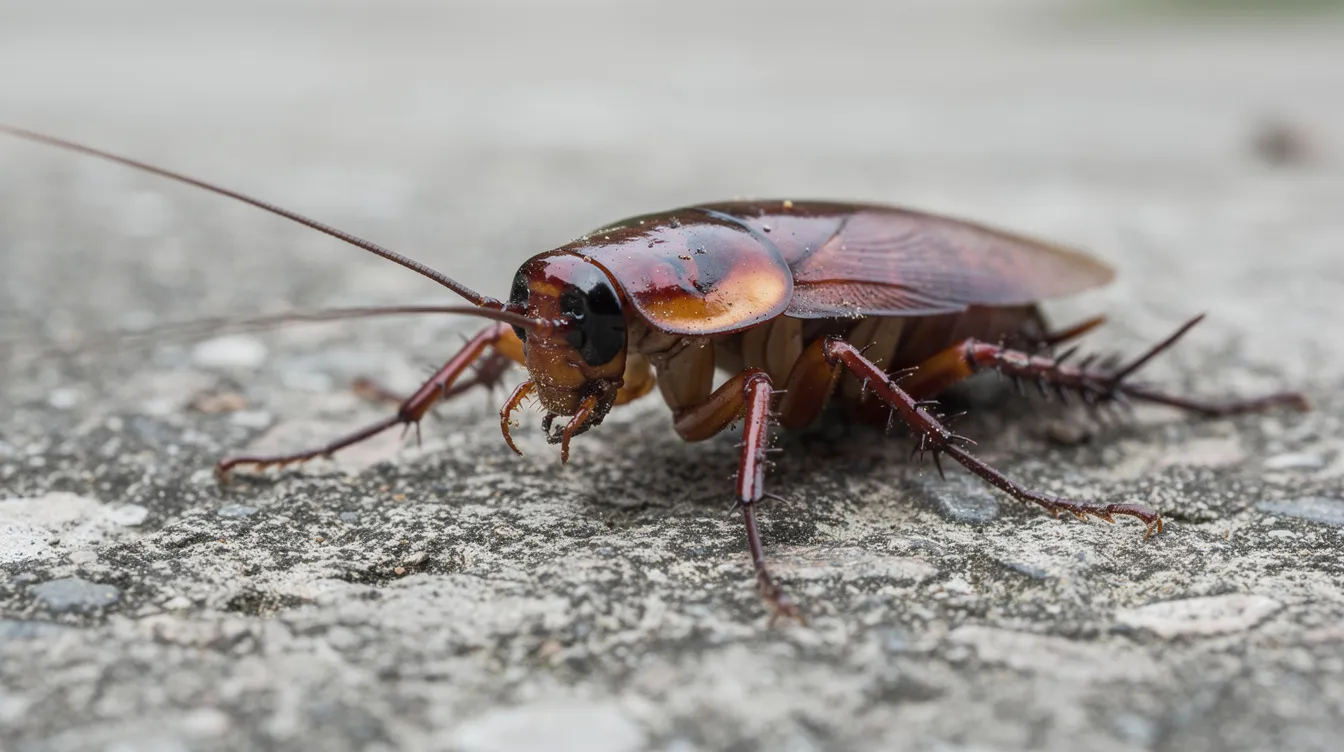
American cockroaches stand out immediately from other common cockroach species. Look for a glossy reddish brown body with a distinctive pale yellow or tan figure-eight band on the pronotum (the shield behind the head). Adult american cockroaches have long antennae and fully developed wings that extend past the abdomen.
How do they differ from other roaches common in Iowa, Missouri, Nebraska, and Kansas? German cockroaches are much smaller (1/2-5/8 inch), light tan with two dark stripes. Oriental cockroaches run shorter (1-1 1/4 inches) and appear dark brown to black. The Pennsylvania wood cockroach is similar in size but lighter tan with pale wing margins and primarily live outdoors.
If you’re spotting several large reddish-brown american roaches in basements, sewers, or food storage areas, you likely have an american cockroach infestation that warrants professional pest control.
What Does a Reddish Brown American Cockroach Look Like?
Accurate visual identification is essential for effective treatment. Miller Pest Solutions technicians are trained to distinguish cockroach species on-site, but here’s what to look for yourself.
Size and shape: Adult cockroaches measure 1 1/2 to 2 inches long—significantly larger than german cockroaches and most other cockroach species. Their bodies are oval and somewhat flattened, allowing them to squeeze through small cracks, under doors, and into wall voids.
Coloration: The reddish brown color appears glossy across the exoskeleton. A pale band forming a figure-eight pattern marks the pronotum. The underside is typically lighter.
Wings and appendages: Both male and female cockroaches have fully developed wings extending beyond the abdomen. Males appear slightly longer and narrower. Their long antennae aid sensory detection, while six spiny legs enable rapid running—up to 3.4 miles per hour.
Nymphs: Smaller, wingless, and uniformly reddish-brown. They’re commonly found in the same warm humid environments as adults.
Do American Cockroaches Fly or Just Run?
Here’s what surprises most homeowners: american cockroaches fly, but barely. Both sexes are capable of flight, yet they prefer running and typically only glide short distances in warm conditions above 85°F.
Flight is limited to short glides, often from walls or cabinets to floors
They run at several miles per hour, disappearing quickly under appliances
In Midwest states, you’ll more often see them running along floors, walls, or through sewers
True sustained flight is rare—they’re runners, not fliers
Seeing one glide from a wall indicates an established population. The ship cockroach nickname came from their tendency to run rapidly through cargo holds, not fly through them.
American Cockroach Habits, Habitat, and Behavior
American cockroaches thrive in warm, damp environments with high humidity. They’re common in both residential and commercial structures across the Midwest.
Indoor habitats include:
Basements and crawl spaces
Sump pump areas and floor drains
Boiler rooms and steam tunnels
Commercial kitchens and food storage areas
Laundry rooms and utility chases
Outdoor habitats include:
Storm drains and sewers
Mulch beds and wood piles
Foundation plantings and shady garden areas
Garbage collection areas with organic debris
These roaches are strictly nocturnal, hiding during the day in cracks and crevices, wall voids, and equipment bases. They emerge at night to feed on crumbs, grease, pet food, cardboard, paper glue, decaying organic matter, and even dead animals. They’ll consume plant materials, soiled clothing, and reportedly show interest in alcoholic beverages, especially beer.
American cockroaches are especially problematic in grocery stores, restaurants, healthcare facilities, and food-processing sites.
Life Cycle, Eggs, and How Fast They Multiply
Understanding the three developmental stages helps explain why cockroach populations explode without early intervention.
Female american cockroaches produce dark brown egg capsule structures called oothecae—ridged cases about 1/3 to 1/2 inch long containing 14-16 eggs. Each adult female produces dozens of oothecae over her lifetime, depositing them in protected damp areas near moisture sources.
Timeline:
Eggs hatch in 50-55 days under optimal conditions
Nymphs undergo approximately 13 molts over several months
Adult lifespan reaches up to 700 days (nearly two years)
Each female produces 100-150+ offspring
Common hiding spots in Midwest properties include sump pits, cardboard stacks in basements, expansion joints, and commercial floor drains. Miller Pest Solutions treatment plans target all developmental stages—egg case, nymph, and adult—to break the breeding cycle.
Signs You’re Dealing with American Cockroaches (Not Another Species)
Homeowners often confuse american cockroaches with other species, leading to ineffective DIY approaches. Here’s how to confirm you have american roaches:
Frequent sightings of large (1.5-2+ inch) reddish-brown roaches in basements or mechanical rooms
Activity around drains and sewer access points
Nighttime kitchen activity in commercial settings
Droppings appearing as small dark brown pellets with ridges and blunt ends, found along baseboards and near food and water sources
Oothecae (dark, ridged egg capsules) in protected cracks, cardboard storage, or near hot water heaters
Characteristic odor—a musty smell from odorous secretions that intensifies in heavy infestations
German cockroaches are smaller and tan with two stripes, typically in kitchens and bathrooms. Oriental cockroaches are shorter, darker, and more sewer-associated. Brown banded cockroaches feature yellow bands across smaller bodies.
If identification is uncertain, Miller Pest Solutions confirms species during thorough assessment across IA, MO, NE, and KS.
Health Risks and Why American Cockroaches Are a Problem
American cockroaches aren’t just unsightly—they pose genuine health concerns for families and businesses.
Contamination risks: These roaches travel between unsanitary areas like sewers and trash to food surfaces, tracking harmful bacteria like Salmonella onto countertops, equipment, and stored products. This can lead to food poisoning with symptoms including vomiting, diarrhea, and fever.
Allergy and asthma concerns: Droppings, shed skins, and body fragments trigger allergic reactions and asthma attacks, particularly in children and sensitive individuals.
Commercial consequences: Restaurants, food plants, and healthcare facilities risk code violations, failed health assessments, and potential closures. Always store food in sealed containers and address dirty dishes promptly.
Miller Pest Solutions provides family- and pet-friendly treatment options that reduce these health risks without unnecessary chemical exposure.
What Attracts American Cockroaches to Midwest Homes and Businesses?
American cockroaches follow three things: food, water, and shelter in damp environments.
Food attractants:
Unsealed pantry items and grocery bags left accessible
Crumbs under appliances and grease buildup
Pet food left out overnight
Organic matter around dumpsters and leaf litter
Moisture sources:
Leaking pipes and condensation on cold water lines
Damp basements and moist areas around sump pits
Floor drains and commercial dishwashing areas
Shelter factors:
Cluttered storage rooms and cardboard stacks
Wood piles against foundations
Thick mulch against exterior walls
Gaps around utility penetrations and hollow trees outdoors
Midwest-specific challenges include older basements, shared sewer lines in city centers, and steam tunnels in hospitals. Removing these attractants is core to Miller Pest Solutions’ integrated pest management approach.
Is One American Cockroach a Sign of an Infestation?
Seeing a single american cockroach indoors—especially during daylight—often indicates a larger hidden population. Daytime sightings suggest overcrowding forcing roaches into the open.
However, context matters. One wood roach brought in with firewood differs from repeated sightings near drains. Signs of established infestation include:
Regular night sightings
Droppings near floor drains
Multiple individuals in basements
Musty odor in humid climates of enclosed spaces
Because american cockroaches hide in wall voids, sewer systems, and mechanical areas, visible roaches represent just a fraction of total cockroach populations. Property managers should treat any confirmed sighting as a prompt for professional assessment.
How to Get Rid of American Cockroaches
Complete control requires combining sanitation, exclusion, and implement targeted treatments—not just a quick DIY spray.
Sanitation steps:
Clean up food spills promptly and vacuum crumbs
Degrease kitchen equipment regularly
Empty trash frequently
Never leave pet food out overnight
Exclusion measures:
Seal cracks around baseboards and utility lines
Repair door sweeps and weatherstripping
Screen floor drains where appropriate
Fix plumbing leaks to reduce humidity
Monitoring options:
Sticky traps near high-activity areas (drains, basements, behind appliances)
Baits following label directions with appropriate safety precautions
Some homeowners try diatomaceous earth or boric acid in cracks, though effectiveness varies
DIY limitations are real: most products don’t reach deep harborages in wall voids, sewers, or large commercial complexes. Eggs and hidden colonies often survive.
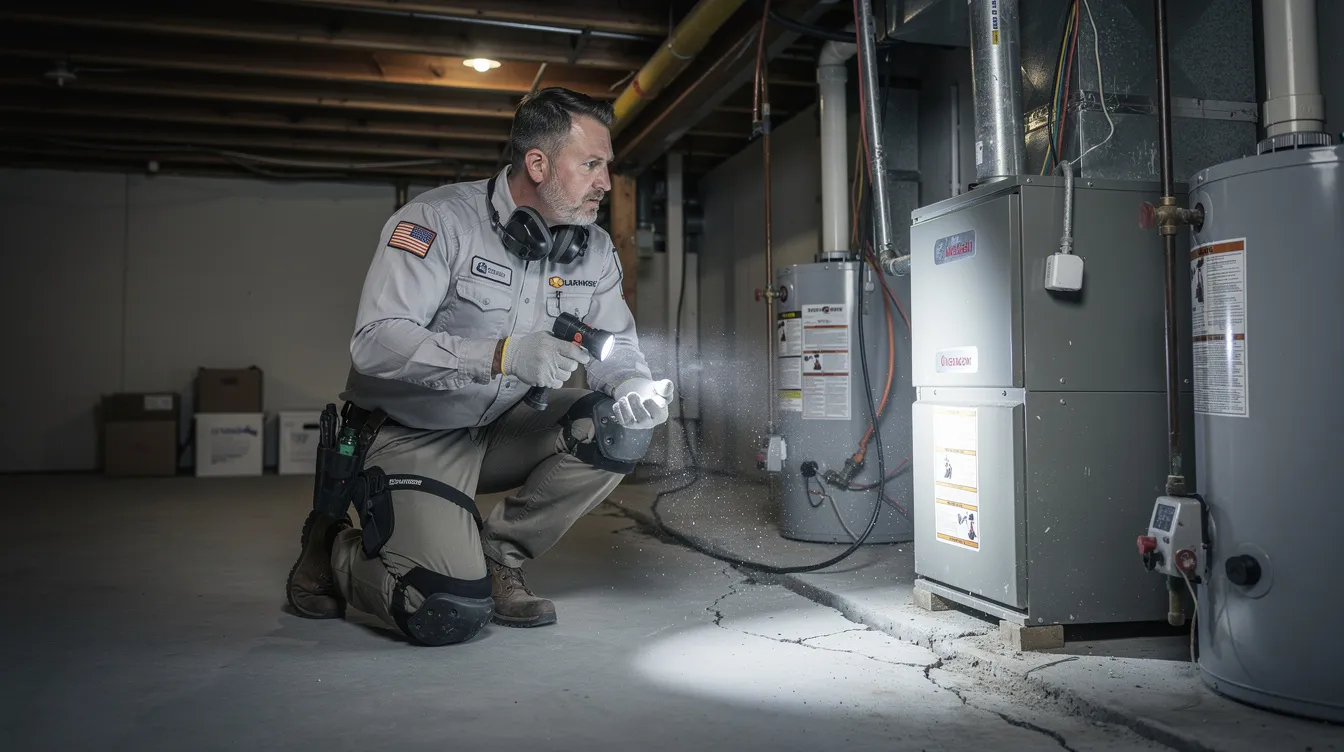
Miller Pest Solutions uses professional-grade baits, targeted dusts, and crack-and-crevice treatments tailored to each property—from single-family homes to restaurants and warehouses across IA, MO, NE, and KS.
Preventing Future American Cockroach Infestations
Prevention costs less than treating a full-blown infestation, especially for businesses. Focus on eliminating what roaches need to thrive.
Routine cleaning habits:
Keep kitchens and break rooms tidy
Clean under and behind appliances monthly
Maintain dry, clutter-free basements and storage rooms
Repel cockroaches by eliminating food access
Structural maintenance:
Seal exterior gaps and repair weatherstripping
Screen vents and maintain functional drain covers
Address other surfaces where roaches travel
Outdoor management:
Keep mulch a few inches from foundation walls
Store firewood off the ground and away from buildings
Keep dumpsters clean and properly closed
Ongoing monitoring through periodic visual assessments and traps in high-risk areas catches problems early. Miller Pest Solutions offers recurring pest protection plans for year-round defense against american cockroaches, ants, spiders, rodents, and termites—with family- and pet-friendly methods adjusted seasonally for Midwest conditions.
When to Call Miller Pest Solutions for American Cockroaches
Professional help becomes necessary when cockroach sightings are frequent, appear in sensitive areas, or DIY methods have failed.
Clear triggers for calling:
Daily or daytime roach sightings
Roaches in multiple units or floors
Strong musty odor in basements or damp areas
Confirmed activity around sewers, drains, or food areas
Five species or more spotted (indicating multiple pest pressures)
Miller Pest Solutions brings local expertise across Iowa, Missouri, Nebraska, and Kansas, with deep familiarity with american cockroach behavior in Midwest structures—from the humid climates of commercial kitchens to residential basements common in the northern United States and even southern United States properties.
Our technicians provide both elimination and long-term prevention recommendations, including structural and sanitation guidance. Services include same-day scheduling when available, customized treatment plans, and family- and pet-friendly methods.
Contact Miller Pest Solutions today for a thorough assessment or to discuss ongoing cockroach protection plans for your home or business.


