 Call us today


If you’re dealing with aggressive daytime mosquitoes in your Midwest yard, you may have encountered the asian tiger mosquito. This invasive species from southeast asia has spread rapidly across the contiguous united states, and accurate asian tiger mosquito identification is the first step toward effective mosquito control. Here’s what you need to know to recognize, locate, and address these pests on your property.
Introduction to Aedes Albopictus
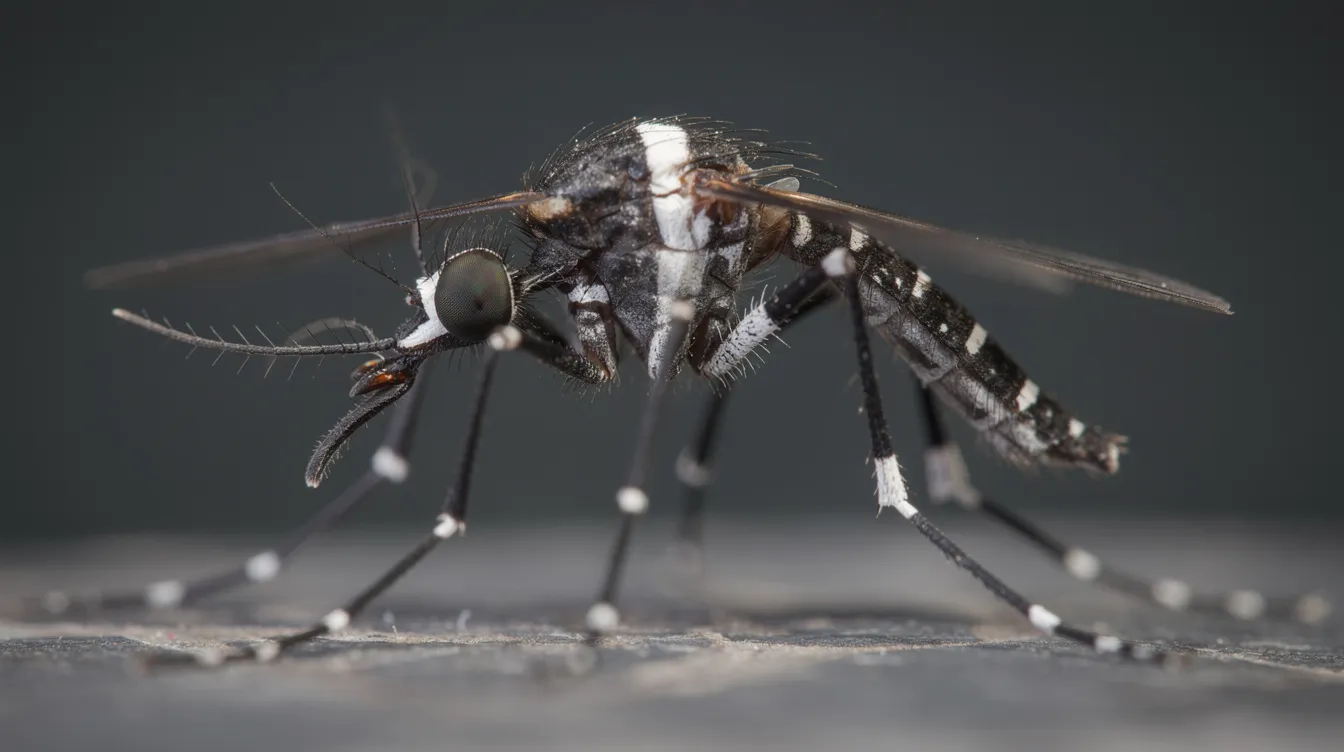
The Asian tiger mosquito, scientifically known as Aedes albopictus, is a small black mosquito with striking white stripes along its body and legs, making it easily recognizable in your yard or garden. Originally native to the lush forests of Southeast Asia, this species has become a notorious invasive species, spreading rapidly across the contiguous United States and establishing itself in many regions, including Illinois and the Midwest.
What sets the Asian tiger mosquito apart is not just its bold appearance, but its aggressive behavior. Female mosquitoes of this species are relentless daytime biters, seeking out humans and other animals for blood meals needed to develop their eggs. These bites are more than just a nuisance—they can transmit a range of infectious diseases, including dengue fever, West Nile virus, and Zika virus, posing a significant public health risk wherever the species is present.
Male mosquitoes, in contrast, do not bite. Instead, they feed on plant juices and nectar, playing no role in disease transmission. The life cycle of the Asian tiger mosquito is both fascinating and important for control efforts. It begins when eggs are laid just above the water surface in small, often overlooked containers. When conditions are right, these eggs hatch into wormlike mosquito larvae, which swim with a distinctive wriggling motion. After feeding and growing, the larvae enter the pupa stage, where development completes. In as little as 10 to 14 days, fully developed adult mosquitoes emerge, ready to continue the cycle and, in the case of females, seek out new hosts for blood meals.
Because the Asian tiger mosquito is an invasive species that can spread rapidly and adapt to a variety of environments, early identification and intervention are crucial for protecting your family and community from the diseases it can carry.
Quick Facts: How to Recognize an Asian Tiger Mosquito Fast
Fast identification matters because this species poses heightened public health concerns, bites aggressively during daylight hours, and breeds prolifically in residential areas across Iowa, Missouri, Nebraska, and Kansas.
Key ID traits at a glance:
Scientific name: aedes albopictus
Size: approximately 1/8–1/4 inch (2–6 mm)
Body: small black with bright white stripes
Most distinctive mark: single white stripe running down the center of the head and thorax
Legs: white-banded at the joints
Unlike many other illinois mosquitoes and native Midwest species that bite at dusk, asian tiger mosquitoes actively seek blood meals during daylight hours, peaking in early morning and late afternoon. Originally introduced from Asia, this invasive species is now present in parts of the central U.S. and continues moving north and west.
Miller Pest Solutions can confirm identification on-site and design targeted treatments if these mosquitoes are present on your property.
Origin, Spread, and Where You’ll See Them in the Midwest
The asian tiger mosquito is native to tropical forests in southeast asia but has achieved global spread through international trade—particularly shipments of discarded tires and old tires containing desiccation-resistant eggs.
Key historical milestones:
1985: First U.S. detection in Houston, Texas
1990s: Rapid expansion through southeastern and southern states
Present: Established through much of the Midwest, Great Lakes region, and central Great Plains
Asian tiger mosquitoes have been detected in multiple counties across Missouri and neighboring states. Favorable conditions also exist in Iowa, Nebraska, and Kansas urban areas. Typical habitats include dense vegetation, shaded residential yards, and properties with artificial containers like buckets, toys, gutters, flower pots, and rain barrels.
Homeowners in Miller Pest Solutions’ service area should assume potential presence during warm months (late spring through early fall).
Physical Identification: What Asian Tiger Mosquitoes Look Like
Use this visual checklist to distinguish asian tiger mosquitoes from other mosquitoes in your area.
Feature | Description |
|---|---|
Body size | 2–6 mm (1/8–1/4 inch), slender body, long legs |
Wings | Clear, without colored patterns |
Coloration | Jet-black background with bright white or silver scales |
Primary field mark | Single straight white stripe from between the eyes down the thorax |
Leg pattern | White bands at joints, creating a ringed appearance |
Proboscis | Long, needle-like (females bite; male mosquitoes feed on nectar and plant juices) |
Females have simple antennae and take blood meals. Male mosquitoes have feathery antennae and do not bite humans or other animals.
Life Cycle and Breeding Habits (Key to Finding Their Sources)
Understanding the life cycle is essential for eliminating breeding sites. The complete cycle—egg to larva to pupa to adult mosquito—can occur in as little as 7–10 days during warm Midwest summers, as all stages of the life cycle occur in water and depend on specific environmental conditions such as temperature and the presence of standing water.
Timeline under summer conditions:
Eggs (0–2 days): Dark brown eggs laid just above the water surface on container walls. Eggs are approximately 0.1 centimeter in length and can survive drying and overwinter until they’re reflooded, hatching when inundated with water in the spring and summer.
Larvae (3–7 days): Wormlike mosquito larvae swim with a distinctive wriggling motion. These wormlike mosquito larvae hang near the surface, breathing through a siphon, reaching about 1/4 inch when completely grown and fully developed in approximately 10 days before transforming into comma-shaped pupae.
Pupae (1–2 days): Comma shaped pupae, also known as ‘tumblers’, don’t feed but move in a tumbling motion. The pupa stage completes within days, and pupae can develop into adult mosquitoes in as little as 10 to 14 days after the eggs hatch during the summer.
Adults: Adult mosquitoes emerge and rest on vertical surfaces to dry. Lifespan: several weeks (longer in mild conditions).
Eliminating breeding sites is crucial for controlling Asian tiger mosquitoes, which lay their eggs in small containers of water. To prevent breeding, it is recommended to remove stagnant water in small containers around homes, as they can breed in as little as a bottle cap of water. Regularly emptying and cleaning containers that can hold water helps prevent Asian tiger mosquito infestations.
This species strongly prefers small containers over marshes or large ponds, making residential and commercial properties prime breeding areas. Common sources include bird baths, plant saucers, and any item holding stagnant water.
Behavior, Bites, and Disease Risks
Asian tiger mosquitoes are aggressive daytime biters and significant disease vectors worldwide. Female mosquitoes bite mainly during daylight hours—from sunrise to sunset—with peaks in early morning and late afternoon. They can bite multiple times per blood meal due to interrupted feeding.
Bite characteristics:
Small, red, intensely itchy welts
Often clustered due to multiple bites
May cause stronger reactions than typical mosquito bites from native species
Infectious diseases this species can transmit:
dengue fever
Chikungunya
zika virus
west nile virus
La Crosse encephalitis
Eastern equine encephalitis
While not all these diseases are currently common locally, the species’ presence increases future risk as viruses are introduced. This makes disease control through identification and management a public health priority. Research and invasive species research continue tracking spread patterns.
Only female mosquitoes require blood meals for egg development. Male mosquitoes feed exclusively on nectar and plant juices—they never bite.
Asian Tiger Mosquito vs. Other Common Mosquitoes
Many mosquitoes look similar, but key traits separate the asian tiger from typical house and floodwater species.
Quick rule: If your mosquito is small, jet-black, has a bright white line down its body and striped legs, and bites during outdoor activities in shaded moist areas during daylight hours, it’s likely an asian tiger mosquito.
For exact species confirmation—especially for commercial or public health settings—professional identification is recommended.
assessment Checklist: Finding Asian Tiger Mosquito Breeding Sites
Accurate identification pairs with thorough property assessment for standing water sources. Asian tiger mosquitoes need surprisingly small volumes—even a bottle cap—to complete immature stages.
Weekly assessment targets:
Old tires and discarded tires
Buckets and wheelbarrows
Children’s toys
Clogged gutters
Bird baths and pet water dishes
Plant saucers and flower pots
Trash can lids
Tarps and covers with low spots
Rain barrels without screens
What to look for:
Larvae at the water surface (wriggling motion)
Comma shaped pupae (tumbling motion)
Dark egg clusters at or above water line
Also check shaded zones where adults rest: under decks, in dense shrubs, near tall grass, and around AC units.

Miller Pest Solutions technicians systematically follow this checklist during mosquito service visits across Iowa, Missouri, Nebraska, and Kansas.
Invasive Species Research and Management
Controlling the Asian tiger mosquito requires a combination of ongoing invasive species research and practical management strategies. As a highly adaptable and aggressive invasive species, the tiger mosquito can quickly outcompete other mosquitoes and disrupt local ecosystems, making it a top priority for public health and disease control efforts.
One of the most effective ways to manage the Asian tiger mosquito is to eliminate breeding sites around your home and property. These mosquitoes thrive in small containers of standing water, such as flower pots, bird baths, rain barrels, and discarded tires. Even a small amount of stagnant water can support the immature stages of the mosquito, where wormlike mosquito larvae swim and develop into pupae before becoming biting adults. Regularly emptying, scrubbing, or removing these water sources is essential to break the mosquito’s life cycle and prevent new generations from emerging.
Personal protection is also key. Using EPA-registered insect repellent—such as those containing DEET, picaridin, or oil of lemon eucalyptus—can help you avoid mosquito bites during outdoor activities. Wearing long sleeves and long pants, especially during peak biting times, adds another layer of defense. These simple steps can greatly reduce your risk of exposure to diseases carried by the Asian tiger mosquito.
In addition to individual actions, public health agencies and researchers play a vital role in monitoring mosquito populations and tracking the spread of this invasive species. Ongoing invasive species research helps identify new breeding sites, understand the development of larvae and pupae in various environments, and develop targeted strategies for disease control. By staying informed and vigilant, communities can work together to eliminate breeding sites, reduce mosquito populations, and protect against the spread of infectious diseases.
If you notice signs of an Asian tiger mosquito infestation—such as the presence of wormlike mosquito larvae in standing water—prompt action is essential. Miller Pest Solutions offers expert assessments and tailored mosquito control plans to help you safeguard your property and community from this persistent pest.
Prevention and Professional Control (Miller Pest Solutions)
Reducing breeding sites is the most important step, but professional treatments provide added protection—especially where populations are established.
Source reduction (weekly):
Empty, scrub, or discard containers holding standing water
Store tires and buckets under cover
Improve drainage in low spots
Personal protection:
Wear long sleeves and long pants during peak activity
Use EPA-registered insect repellent (DEET, picaridin, oil of lemon eucalyptus, IR3535)
Keep screens in good repair
Avoid mosquito bites by limiting outdoor activities at peak times
Landscape management:
Trim dense shrubs and tall grass near living areas
Use fans on patios to disrupt flight
Professional services from Miller Pest Solutions:
Targeted treatments to vegetation and resting sites
Larvicides for water that cannot be drained
Recurring seasonal plans for consistent protection
Family- and pet-friendly methods when used as directed
Same-day service available in many areas
If you suspect asian tiger mosquitoes on your property, schedule an assessment with Miller Pest Solutions for species identification and a customized control plan tailored to your Midwest property.


