 Call us today


Overview: How Bad Is The Rat Problem In Kansas City?
Kansas City moved up nine spots to rank 36th on Orkin’s annual list of the top 50 rattiest US cities for 2025. The annual study tracked rodent treatment requests from August 2024 to August 2025, and the results confirm what many residents dealing with these pests already suspected: Kansas City rodents are becoming a bigger problem.
At Miller Pest Solutions, we serve the greater Kansas City metro on both Missouri and Kansas sides, and our rodent control calls have surged through 2024–2026. Older neighborhoods like Midtown, Waldo, Historic Northeast, and the Northland are seeing the most rats, along with commercial corridors along major highways.
Key stats at a glance:
KC population: 516,000+ (2024 estimates)
Orkin ranking: 36th (up from 45th)
Highest activity: Pre-1980s homes and commercial zones
Why Kansas City Is Climbing The “Rattiest Cities” List
Several factors play into KC’s rising rank. Rapid urban expansion, ongoing construction, and extreme weather affects rodents by pushing them from sewers and green spaces into basements and garages. Population density in Downtown KC, Crossroads, Westport, Country Club Plaza, and parts of Overland Park creates ideal conditions—dense housing, restaurant trash, and alley shelters where rats find food and harborage.
Commercial development along I-435, I-70, and I-35 corridors has exploded with distribution centers, food processing plants, and retail shops. These provide Norway rats and roof rats with stable food sources year-round. Meanwhile, extreme cold temperatures in February hard freezes and extreme heat during July heat waves drive rat movement indoors.
Aging housing stock compounds the issue. Homes in Midtown, Historic Northeast, and Independence often have stone basements and utility penetrations with gaps larger than 1/4 inch—plenty of space for rats to squeeze through.
Key drivers:
Urban growth disturbing outdoor nests
Heavy foot traffic areas generating food waste
Extreme weather forcing migrations indoors
Structural entry points in older homes
Common Rat Species And Problems In Kansas City Homes
The two primary threats in any Kansas City home are Norway (brown) rats and roof rats. House mice round out the concern as a related pest.
Norway rats are ground burrowers with stocky bodies up to 10 inches long. They nest under slabs, in garages, around foundations, and in commercial loading docks. You’ll find them along the Missouri River and stormwater corridors.
Roof rats are slimmer climbers that occupy attics, wall voids, eaves, and tree canopies. They travel along overhead utility lines in older KC neighborhoods.
Typical structural damage includes gnawed electrical wiring in basements (a fire hazard), chewed PEX water lines, contaminated pantry food, shredded insulation in attics, and burrows under patios and AC pads.
Top homeowner concerns:
Electrical damage and fire risk
Food contamination with droppings and urine
Rat bite fever, leptospirosis, and salmonellosis exposure
Fleas and ticks spreading to pets
Costly repairs to plumbing and insulation
Warning Signs Of A Rat Infestation In Kansas City Properties
Rats are nocturnal, so Kansas City property owners often miss early evidence. Learn these signs before the area’s rat population in your home explodes:
Interior signs:
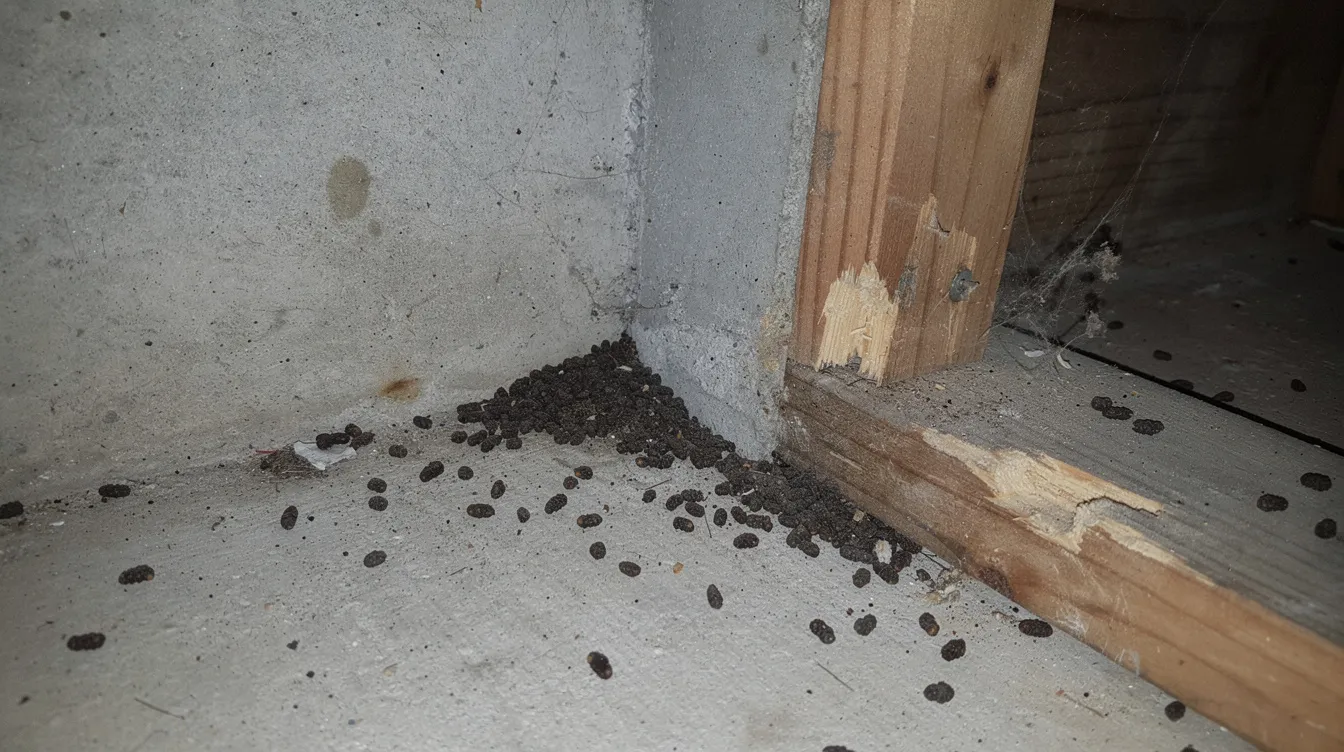
Dark, spindle-shaped droppings (3/4-inch) in basements, garages, and along walls
Gnaw marks on baseboards, storage boxes, and pet food containers
Greasy rub marks along foundation walls and sill plates
Scratching inside walls or ceilings at night
Exterior signs:
Burrow holes (2-3 inches) along foundation plantings
Disturbed mulch beds and tunnels under decks
Rat runs along fence lines and retaining walls
Commercial settings:
Droppings around dumpsters behind restaurants
Chew damage on palletized warehouse goods
Daytime sightings near loading docks
Health And Structural Risks: Why KC Rats Are More Than A Nuisance
KC’s rat problems create real health or safety risk concerns, especially in dense neighborhoods, food businesses, and rental properties. Rodent infestations impact household health through contamination of kitchen counters and children’s play areas. Droppings and urine spread bacteria, while secondary vectors like fleas and ticks affect pets.
Structurally, gnawed electrical wires raise fire risk in older KC homes. Damage to HVAC ductwork in crawl space areas disrupts airflow, and burrowing undermines concrete foundations.
Example scenario: Rats accessing a Plaza-area restaurant through a floor drain contaminated food-prep areas, triggering KC Health Department intervention. The healthy homes rental program can mandate remediation when infestations in rental units create public health concerns.
Top 3 health risks: Bacterial contamination, ectoparasite transmission, zoonotic disease exposure
Top 3 damage risks: Electrical fires, plumbing failures, foundation instability
DIY Prevention Tips For Kansas City Homeowners And Landlords
Simple prevention steps reduce rat pressure, but established rodent infestations typically require professional help. Focus on prevention and early action:
Sanitation:
Secure trash in rodent-proof lidded bins
Clean up spilled bird seed and pet food immediately
Schedule regular pickup to prevent issues related to overflow
Exclusion:
Seal gaps larger than 1/4 inch around foundation vents, hose bibs, and AC penetrations
Repair worn weatherstripping on garage doors
Add screen covers to dryer vents
Yard maintenance:
Trim tree branches touching roofs (6-8 feet clearance)
Clear clutter and wood piles from against the house
Fix broken crawlspace doors and address standing water
DIY trap limitations: Snap traps work for visible rats when baited with peanut butter, but over-the-counter rodenticides pose risks to children, pets, and wildlife. For more assistance, call a professional.
Professional Rat Control In Kansas City With Miller Pest Solutions
Miller Pest Solutions is a local pest control company and american pest control company serving Kansas City and surrounding communities. We handle residential homes, rental properties, restaurants, and commercial services for warehouses and office parks.
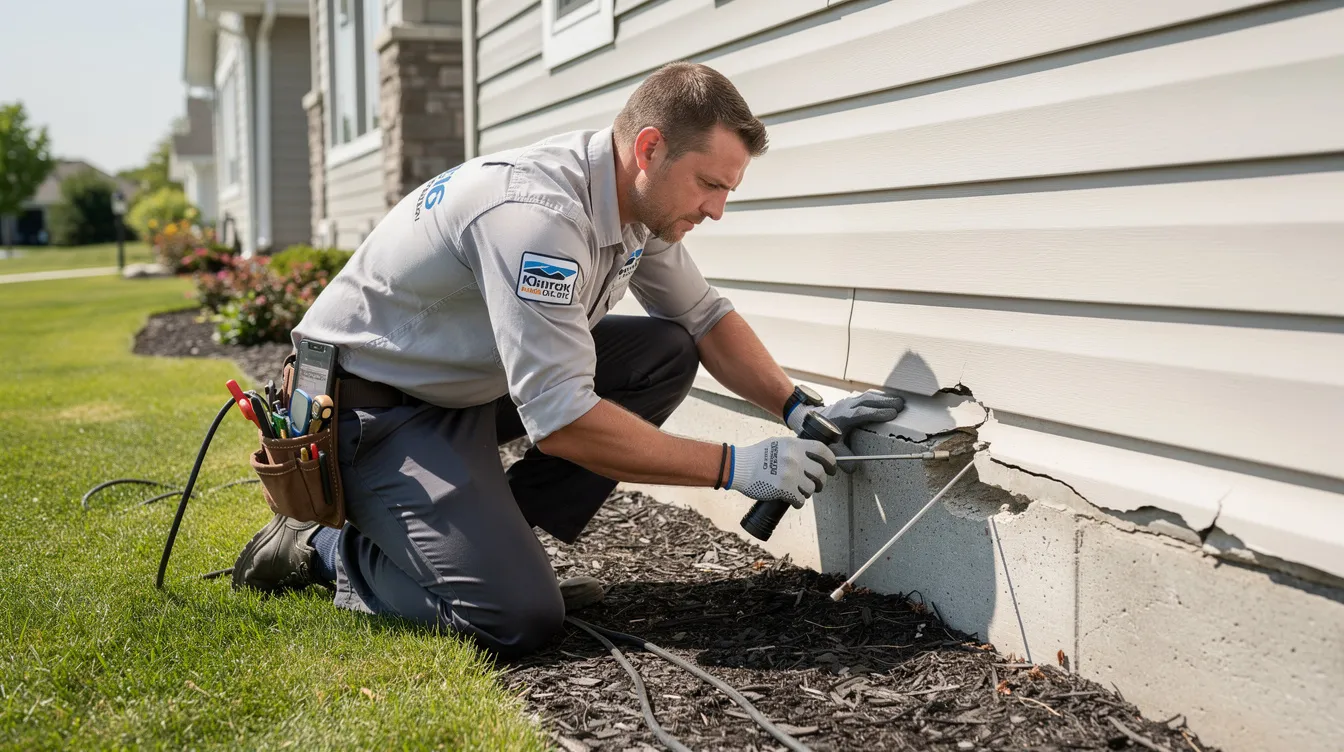
Our rat removal process includes thorough assessment of interior and exterior areas, identification of entry points and conducive conditions, customized trapping and baiting, and follow-up visits until activity is eliminated. We use family- and pet-friendly methods, placing devices out of reach of children and animals.
Why choose Miller:
Same-day or next-day service across KC metro
Ongoing pest protection plans with rodent monitoring
Tailored programs for landlords and property managers
Local expertise in Midwest pest issues and environmental conditions
How Kansas City Compares To Other “Rattiest” U.S. Cities
According to Orkin’s annual report, the five rattiest cities in 2025 were Los Angeles (#1), Chicago (#2), New York (#3), San Francisco (#4), and Hartford (#5). Kansas City’s 36th rank—while not among the worst—shows the company determined conditions here are increasingly favorable for rats.
KC’s size and climate differ from coastal cities. Our cold winters and hot humid summers create significant pressure in urban cores and river-adjacent neighborhoods. The five least ratty cities include smaller metros like Eau Claire, Wisconsin, with lower populations and less dense infrastructure.
Where KC stands:
Mid-list but climbing
Nine spots higher than last year
Continental climate creates year-round pressure
Professional pest control matters more than ever
When To Call A Professional (And What To Expect From A Visit)
Call pest control companies when you see multiple signs of rats, notice this particular creature during daytime, or when DIY measures fail within 1-2 weeks. Technical director John Myers and Gunter Pest both note that daytime sightings indicate population booms requiring immediate intervention.
What to expect from a Miller visit:
Initial questions about activity timing and locations
assessment of basement, attic, kitchen, garage, and exterior
Mapping of runways, nests, and food source areas
Customized plan combining trapping, baiting, and exclusion
Clear communication about safety and timelines (5-14 days for control)
Scheduled follow-up assessments
Protecting Kansas City Homes And Businesses From Rats Long-Term
While Kansas City’s rat problem is growing, proactive prevention and professional support keep individual properties rat-free. Think long-term: schedule seasonal assessments before winter and summer extremes, audit trash and storage regularly, and monitor common entry points.
Miller Pest Solutions’ ongoing service plans integrate rodent monitoring with broader health services for pests like ants, spiders, termites, and mosquitoes—comprehensive protection for owner occupied homes and commercial properties alike.
Key takeaways:
KC climbed to 36th on the rattiest cities list
Extreme weather, urban growth, and aging homes drive most rats indoors
Prevention works, but infestations need professional exterminating kansas city rodents
Year-round monitoring prevents re-infestation
Ready to protect your property? Contact Miller Pest Solutions today for an assessment or same-day service. Don’t let Kansas City’s growing rat problem inch closer to your household health—act now.


