 Call us today


Spotting yellow jackets buzzing around your backyard barbecue or near your home’s foundation can be unsettling. Knowing how to distinguish these aggressive stinging insects from honey bees and other wasps helps you respond appropriately and stay safe. This guide covers everything Midwest homeowners need for accurate yellow jacket identification, from physical traits to nesting habits specific to Iowa, Missouri, Nebraska, and Kansas.
Quick Yellow Jacket ID Guide
Yellow jackets are compact wasps measuring 3/8” to 5/8” long with distinctive black and yellow markings on their segmented abdomen. Unlike fuzzy honey bees, they have a shiny, smooth exoskeleton that’s almost hairless. Fast, accurate identification matters because removal methods, safety protocols, and even legal protections differ significantly between species.
Key identification traits at a glance:
Size: Workers approximately ½ inch long, similar to honey bees
Color pattern: Bold yellow bands alternating with black on the abdomen, mostly black thorax
Body texture: Hard, shiny, smooth—no dense hair coverage
Waist: Clearly visible narrow “wasp waist” connecting thorax to abdomen
Legs in flight: Short dark legs tucked close to body, not dangling
Flight pattern: Fast and erratic compared to the methodical flight of bees
How they differ from look-alikes:
More compact and stockier than paper wasps” data-term-hl-color=”green” data-term-hl-usage=”9″ data-term-hl-min-usage=”7″ data-term-hl-max-usage=”16″ data-term-hl-match=”paper wasps-1419″ data-term-hl-animatable=”false”>paper wasps
Shinier and less hairy than honey bees
Faster, more aggressive flight than either
Behavioral clues for field identification:
Yellow jackets are frequently spotted around trash cans, outdoor grills, sugary drinks, and food waste—especially during late summer and fall when their diet shifts toward sweets. In the Midwest, peak activity and aggression occur from August through October.
Safety note: If you observe multiple wasps tracking in and out of the same entry point, you’ve likely found an established nest. Maintain a distance of at least 10-20 feet and contact Miller Pest Solutions for a professional assessment before attempting any action.
Yellow Jacket Identification Basics
This section provides a detailed visual checklist for identifying yellow jackets common throughout Iowa, Missouri, Nebraska, and Kansas. Use these characteristics to confirm what you’re dealing with before deciding on next steps.
Body size and shape:
Worker yellow jackets measure approximately ½ inch in length
Queens are noticeably larger at around ¾ inch
Three-part body structure: distinct head, thorax, and abdomen
Narrow petiole creates the characteristic “wasp waist”
Coloration and pattern:
Bold black and yellow bands on the abdomen (pattern varies by yellowjacket species)
Thorax predominantly black or dark colored
Shiny, smooth exoskeleton with a slight gloss
No orange, brown, or rust coloring like some paper wasps display
Wings and legs:
Two pairs of clear wings that fold lengthwise along the back when at rest
Short, dark-colored legs
Legs not held in a dangling position during flight (key difference from paper wasps)
Head and mouthparts:
Black antennae
Strong, well-developed mandibles adapted for chewing insect prey and wood fibers used as nesting material
Stinging capability:
Male yellow jackets (drones) lack stingers and are rarely encountered around nests. Both female workers and queens possess smooth stingers that don’t detach, allowing them to sting multiple times. From a safe distance, untrained observers cannot easily distinguish workers from queens—treat all yellow jackets with appropriate caution.

Yellow Jackets vs. Bees and Other Wasps
Misidentification happens frequently, and it matters more than you might think. Removal methods, risk levels, and legal protections vary dramatically between species. Here’s what you’ll actually notice when comparing common species.
Yellow jackets vs. honey bees:
Honey bees are densely covered with fuzzy hair across their entire body; yellow jackets have hard, shiny, mostly hairless exoskeletons
Bees display a more golden-brown coloration rather than bright black and yellow
Honey bees possess specialized pollen baskets (corbiculae) on their flattened hind legs—completely absent in yellow jackets
Bees are generally less aggressive away from their hives and exhibit methodical flight patterns
Honey bees can only sting once because their barbed stinger remains embedded in the victim; yellow jackets lack barbs and can sting multiple times without consequence
Sweat bees and other solitary wasps are typically non aggressive compared to social wasps like yellow jackets
Yellow jackets vs. paper wasps:
Paper wasps are noticeably longer and slimmer than stocky yellow jackets
During flight, paper wasps characteristically hold their long legs dangling below their body—an easily recognizable silhouette
Paper wasps construct open, umbrella-shaped nests typically suspended from eaves, branches, or structures with exposed honeycomb cells
Yellow jackets either nest underground in abandoned rodent burrows or, when building aerial nests, enclose them with a protective papery envelope
Paper wasps are generally less aggressive and less attracted to human food sources
Yellow jackets vs. bald faced hornets:
Bald faced hornets (Dolichovespula maculata) are actually a type of aerial yellowjacket despite their common name
They’re larger, ranging from ⅝ to ¾ inch for workers
Most distinctive: they’re black and white, not yellow—with a characteristically white face
They construct large, football-shaped aerial nests that can exceed one foot in diameter, typically high in hollow trees or on structures
Why correct identification matters:
Different wasp species require different control approaches. Honey bees have legal protections in many jurisdictions and should be relocated rather than killed. If you’re uncertain about identification in the Midwest, send a clear photo or schedule an on-site visit with Miller Pest Solutions rather than guessing.
Common Yellow Jacket Species in the Midwest
Several species of Vespula and Dolichovespula occur across Iowa, Missouri, Nebraska, and Kansas. While species-level identification typically requires close assessment, homeowners mainly need to recognize common patterns and nesting habits to respond appropriately.
Eastern yellowjacket (Vespula maculifrons):
This common species displays the typical bold yellow-and-black abdominal pattern with workers measuring approximately ½ inch. A distinguishing feature is the longer, more triangular shape of abdominal spots compared to similar species. The eastern yellowjacket commonly nests in ground burrows in lawns, pastures, and landscape features, making it frequently encountered during outdoor activities.
German yellowjacket (Vespula germanica):
This non-native invasive species has become increasingly problematic throughout North America. Key identifiers include bright “school bus” yellow coloration (versus the softer lemony yellow of native species), yellow rings completely encircling the compound eyes when viewed from above, and entirely black first antennal segments. German yellowjackets readily colonize wall voids, attics, and crawl spaces, making them particularly troublesome for property owners. They’re notably aggressive around outdoor trash areas and food preparation zones.
Western and prairie-associated species:
Species like Vespula pensylvanica occur throughout the region with varying prevalence. These are known for aggressive behavior around late-summer picnics and outdoor events. The western yellowjacket displays softer lemony yellow markings compared to the brighter yellow of German yellowjackets.
Aerial yellowjackets and bald-faced types (Dolichovespula spp.):
These species construct paper-covered nests suspended in trees, shrubs, and on structures rather than underground. While often lumped together as “yellow jackets” in casual conversation, the bald-faced hornet’s black-and-white coloring makes it visually distinct. Their enclosed, papery larger nests can reach substantial sizes, providing a highly visible indicator of infestation. The european hornet and northern giant hornet represent other social insects that may be confused with local species, though the northern giant hornet is not established in the Midwest.
For practical pest management, Miller Pest Solutions focuses on nest location and behavior patterns rather than precise species identification when implementing control measures.
Yellow Jacket Life Cycle and Seasonal Activity
Understanding when yellow jacket colonies are most active in the Midwest helps you plan prevention efforts and avoid surprise encounters throughout the season.
Overwintering (November–March):
A single fertilized queen from the previous year’s colony enters dormancy, surviving under protected areas like bark, logs, mulch piles, or structural voids. Only mated fertilized queens survive winter—all workers and males die with the first hard freezes. This biological bottleneck means each spring’s problem originates from overwintering queens that successfully emerge.
Spring emergence (April–May):
As temperatures warm, the original queen emerges and seeks suitable nesting sites. Individual queens initiate small nests in protected locations—frequently in a rodent burrow, crevices, or cavities. Activity is relatively low because colonies are still developing. Spring represents the optimal window for professional nest elimination when colonies are small and easiest to control.
Summer expansion (June–July):
Worker populations increase rapidly as the colony grows and new queens prepare to lay eggs. Nests expand significantly in subterranean locations, wall voids, and other protected areas. Foraging intensity increases as the growing population hunts for protein sources—other insects, spiders, and meat scraps. Some colonies may develop multiple entrance holes.
Late summer and fall peak (August–October):
Yellow jacket colonies reach full size with several hundred to thousands of workers. A significant dietary shift occurs as they increasingly seek sugary substances—fruit, carbonated drinks, flower nectar, and food waste. This preference for sweets brings them into frequent contact with humans at outdoor events, around flowering plants, and near compost piles. Reproductive females and new queens emerge during this period.
Colony collapse (late fall):
With freezing weather, the queen remains inactive and eventually dies along with remaining workers. Males die off after mating, and only newly mated queens successfully locate overwintering sites. Old nests are not reused the following year, though the locations may attract new colonies.
Note: Warm spells in fall can cause temporary activity spikes. Dying colonies may push disoriented wasps into interior living spaces as the entire colony collapses.
Yellow Jacket Nests: Where and What to Look For
Yellow jackets nests are typically hidden, and homeowners often notice the insects before spotting the structure itself. Here’s what to look for across different nest types.
Ground nests:
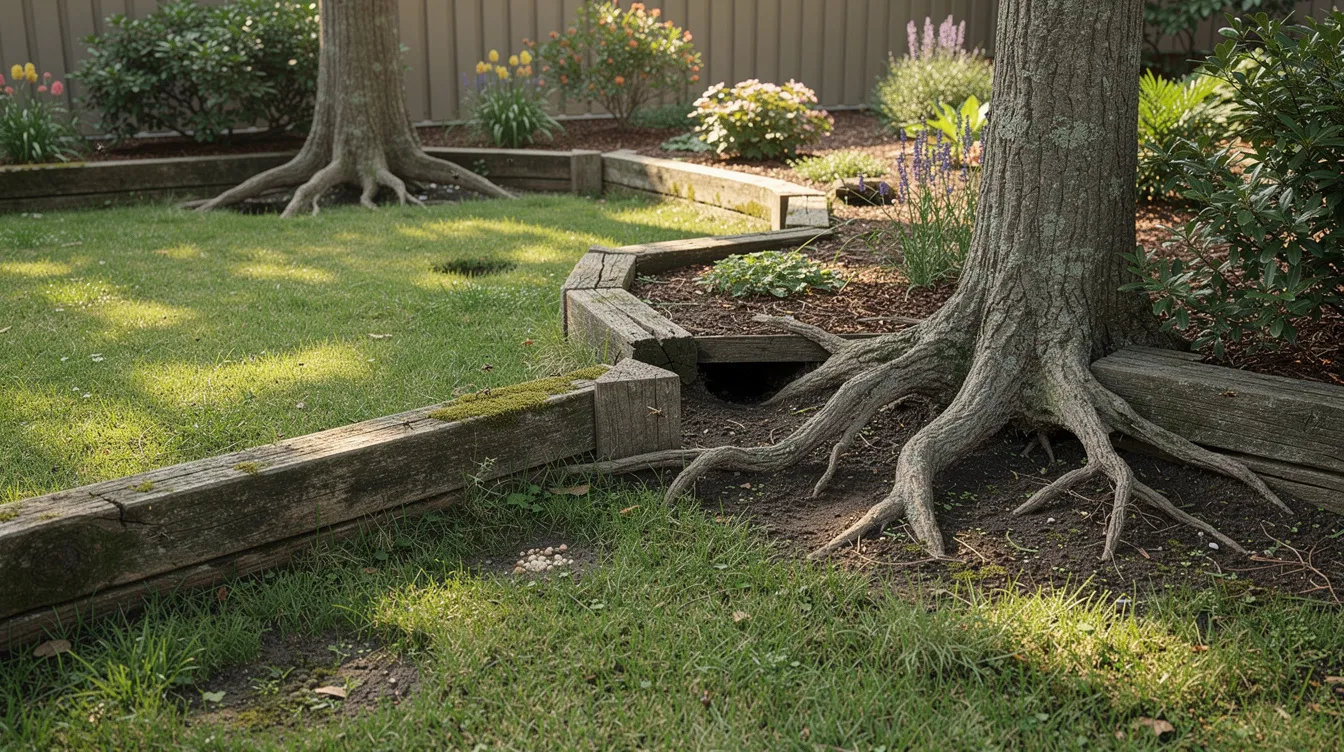
The majority of yellowjacket nests in the Midwest are constructed underground. Look for entrances in:
Abandoned rodent burrows or old mole tunnels
Soil near tree roots or hollow tree trunks
Landscaped beds and flower bed margins
Under landscape timbers, brush piles, or wood stacks
Ground nests are often discovered unintentionally when mowing, edging, or stepping near entrance holes (typically pencil-sized).
Structural nests:
These develop within wall voids, attic spaces, crawlspaces, concrete block cavities, and other enclosed components. Entry points are often small cracks, gaps around window frames, soffit vents, or holes in siding. Signs include steady traffic of wasps entering and exiting a specific crack or gap. These nests bring wasps into close proximity with building occupants.
Aerial nests:
Aerial nests appear as gray, papery, egg- or football-shaped structures attached to tree branches, shrubs, roof overhangs, sheds, or play equipment. These are constructed from paper like material—chewed wood fibers mixed with saliva forming layers that harden into a grayish envelope. The entire structure typically has only a single entrance hole near the bottom.
Safety precautions:
Never probe, prod, or attempt to open suspected nests
Keep children and pets away from areas with heavy wasp traffic
Mark suspicious areas mentally and avoid mowing or landscaping nearby
Miller Pest Solutions technicians use behavior patterns, building knowledge, and protective gear to locate hidden nests that homeowners might miss.
Are Yellow Jackets Dangerous? Health and Property Risks
Yellow jackets pose legitimate health and safety concerns that Midwest homeowners should understand. Here’s what you need to know about the risks.
Sting characteristics:
Sharp, burning pain at the sting site followed by redness, localized pain, swelling, and itching
Unlike honey bees, yellow jackets sting multiple times because their smooth stinger doesn’t detach
Multiple stings from an agitated colony compound tissue reactions significantly
Allergic reaction warning signs:
Seek emergency medical care immediately if you experience:
Hives appearing away from the sting site
Swelling of lips, eyelids, or throat
Difficulty breathing or wheezing
Dizziness or lightheadedness
Rapid or irregular heart rate
Even one species of stinging insect can cause severe reactions in sensitized individuals. Previous sting history increases anaphylaxis risk.
Swarm and defensive behavior:
Disturbing a nest triggers defensive pheromones that mobilize other colony members. Large colonies can commit hundreds of workers to defensive attacks simultaneously, particularly from late July through September when populations peak. When yellow jackets feel threatened, they respond aggressively.
High-risk situations:
Mowing grass over ground nests
Trimming shrubs or branches containing hidden nests
Children playing near railroad ties or landscape structures
Dogs digging in burrows
Outdoor food preparation in urban areas near active nests
Property and nuisance concerns:
Noise in walls from thousands of moving wasps
Wasps entering living spaces
Stings near doors, decks, playgrounds, and commercial entrances
Business reputation damage and liability concerns
Disrupted outdoor events, school activities, and public gatherings
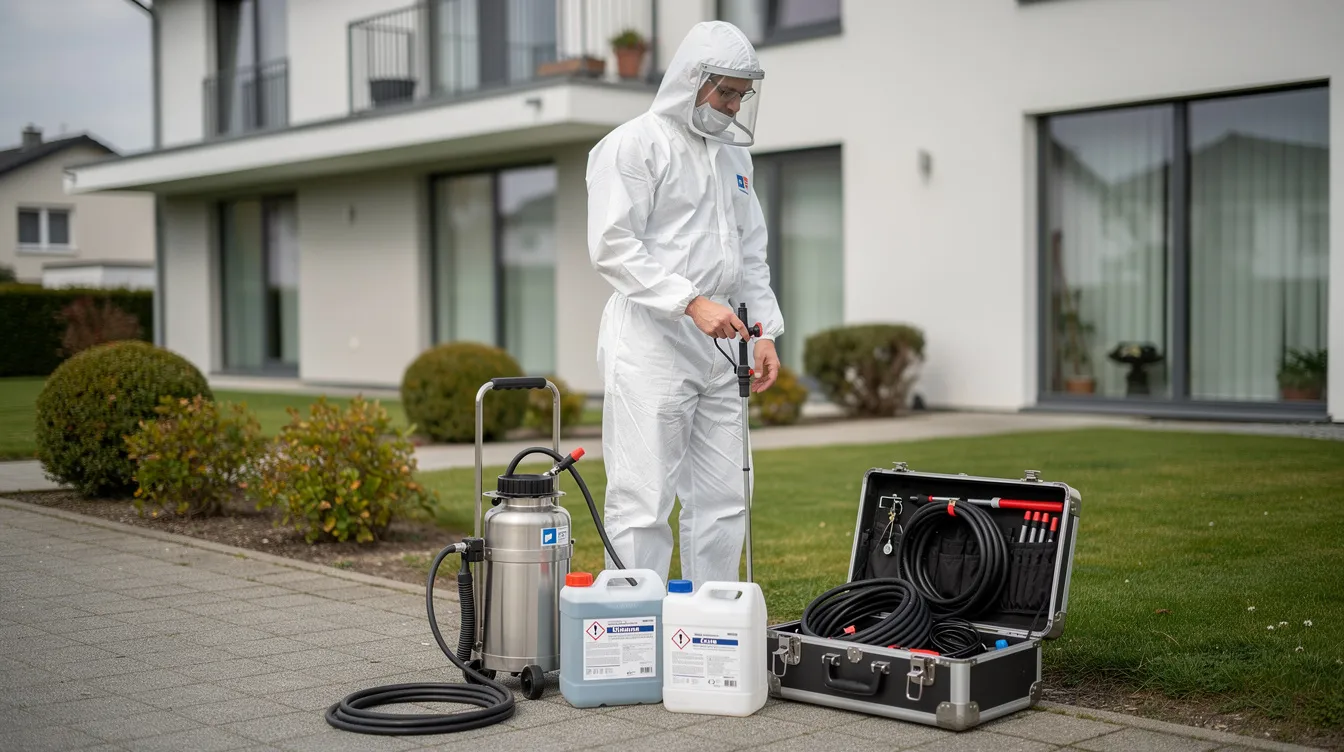
Self-treating large or hard-to-reach nests without proper PPE, specialized equipment, and training risks serious injury. The dangers of pesticide use without proper knowledge extend to family members, pets, and the environment.
What to Do If You Suspect a Yellow Jacket Problem
If you’ve spotted suspicious wasp activity on your property, here are practical steps to stay safe while determining your next move.
Observe safely:
Maintain a distance of at least 10-20 feet and watch for flight paths and entry points rather than trying to locate the physical nest structure. Note timing, direction of travel, and specific locations where wasps disappear from view.
Secure the area:
Mark or mentally note the location and communicate to family members, employees, or visitors that the area requires avoidance. Postpone mowing, trimming, or construction work near suspected nest sites.
Avoid blocking exits:
If yellow jackets are entering a wall or attic through an exterior hole, never block that exit. Trapped wasps will seek alternative routes—potentially forcing their way into interior living spaces while becoming increasingly aggressive.
Skip DIY chemical treatments:
Consumer wasp sprays are ineffective against colonies deep in ground burrows or wall voids. Pouring gasoline, water, or other substances into burrows is dangerous, environmentally harmful, and frequently fails to eliminate the colony. The risk of stings during DIY attempts far exceeds professional service costs.
Contact professionals:
Miller Pest Solutions offers same-day or prompt service throughout Iowa, Missouri, Nebraska, and Kansas. Trained technicians confirm identification, locate nests, and select appropriate control methods while you stay safe.
For commercial properties:
Schools, restaurants, apartment complexes, and other businesses benefit from documented professional service that supports safety policies and regulatory compliance.
Professional Yellow Jacket Control with Miller Pest Solutions
Miller Pest Solutions provides science-based yellow jacket control for residential and commercial properties throughout Iowa, Missouri, Nebraska, and Kansas. Our local technicians understand Midwest wasp species, seasonal patterns, and the specific challenges properties in our region face.
assessment process:
Systematic exterior assessment examining building perimeters, foundation elements, eaves, siding gaps, and vegetation
Interior assessment of wall cavities, attic spaces, and crawl spaces when exterior findings indicate possible involvement
Confirmation of identification (yellow jacket vs. bee vs. hornet) and nest type
Assessment of infestation scope, including identification of multiple nest sites that untrained observers might miss
Treatment approach:
Targeted applications directly to nests based on location and type
Treatment of entry points for structural infestations
Physical removal of accessible aerial nests when safe
Methods selected to eliminate new colonies effectively while being mindful of families, pets, and non-target pollinators like social insects and bees
Safety measures:
Protective suits and veils for technician safety
Strategic scheduling (early morning or evening) to minimize bystander exposure
Clear communication about re-entry timing and post-treatment expectations
Follow-up and prevention:
Identification and sealing of accessible gaps that could attract future nesting queens
Advice on landscaping, trash management, and reducing attractants around trash cans and food areas
Ongoing pest protection plans for recurring monitoring and intervention
Why choose Miller Pest Solutions:
Local technicians who understand Midwest seasons and several species common to our region
Same-day or priority emergency response during peak wasp season
Service guarantees and accountability
Family- and pet-friendly methods
Ready for help?
If you’re dealing with yellow jackets on your property in Iowa, Missouri, Nebraska, or Kansas, don’t risk stings or allergic reactions handling the problem yourself. Contact Miller Pest Solutions today to schedule an assessment or request same-day service. Our trained technicians will identify what you’re dealing with, locate hidden nests, and eliminate the threat safely—so you can enjoy your outdoor spaces again.


